


Livefood Explained: Whats the best gecko grub?
The live food aisle can be intimidating. With hundreds of boxes stacked high with wriggling and writhing creatures, it can be hard to know which insects are best for your gecko. Here at Leopard Gecko life, we will break down the main feeder insects to help you decide which ones to feed to your gecko.

Staple Foods
These are insects that are fed in most meals and will be your gecko’s main source of nutrition. It is best to feed a variety of these insects to provide a varied and nutritional diet. They must be alive and gut-loaded with high quality feed or vegetables in order to give your gecko the nutrition they need.
Mealworms (Tenebrio Molitor)
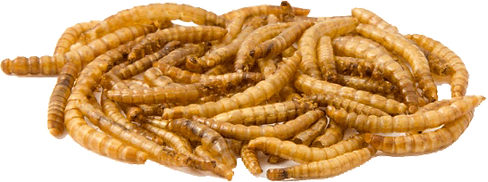
Mealworms are the larvae of the Mealworm Beetle. They are an attractive option to most reptile owners as they are affordable and easy to look after, and they do not produce as much odour as other insects. They can also be put in an escape-proof food bowl for easy feeding. If refrigerated, they can be kept for months without the need for food and water and they will not pupate.
However, they are high in fat which means that they are not ideal for everyday feeding. Their calcium to phosphorus ratio is low (1:7) so they will need to be dusted with a calcium supplement and gut-loaded with a calcium-rich feed such as the Flukers High-Calcium Mealworm Diet to avoid health issues down the road. Their exoskeleton is high in chitin, meaning that they are harder to digest.
PROS
CONS
Do not smell as much as other insects.
Can be put in a feeding dish
Can be kept for a long time if refrigerated
Easy to look after
High in fat
Low in calcium
Not as stimulating for your gecko to hunt
Not as nutritional as other insects
High in chitin, so hard to digest
Crickets (Acheta Domesticus)

Crickets have been a firm choice among reptile owners due to their low fat and high protein content. Crickets provide a stimulating hunt for geckos and can easily be dusted with a multivitamin to provide extra vitamins and minerals. They are also widely available in many different sizes to suit your gecko.
However, crickets can produce an unpleasant smell and can chirp quite loudly which can make them a less attractive option. They can also escape from their container and leave you tearing the house apart looking for the chirping escapee. Younger or disabled geckos may have trouble hunting the crickets and could get bitten. There is also a small chance that a gecko could contract a parasite through a cricket they have eaten.
PROS
CONS
Low in fat
High in protein
Provide a stimulating hunt
Available in different sizes
Unpleasant odour
Can be loud
Risk of parasites
Could be difficult to some geckos to hunt
Dubia Roaches (Blaptica Dubia)

Dubia Roaches have had a surge of popularity within the reptile-keeping community due to their high protein and calcium content. They are much more nutritious than crickets and have under a third of the chitin content, making them much easier to digest. They are slightly meatier than crickets and therefore contain more protein. They are also quiet and have no smell.
However, they are illegal to own in some areas of the world due to local wildlife laws. They also tend to climb and burrow, meaning that they could escape their enclosure easily.
PROS
CONS
High in protein and calcium
Easier to digest
Quiet
No smell
Illegal in some areas
They can climb and burrow
Treat Foods
These are insects that should only be fed occasionally as treats due to their very high fat content. They can also be used to stimulate feeding in geckos that have stopped eating
Waxworms (Galleria Mellonella)

Wax worms make great treats for Leopard Geckos and they are often dubbed as “Gecko Crack” due to their addictive nature. They are the larvae of the Greater Wax Moth. They are high in calcium and protein; breeders often use them to “fatten up” underweight geckos. They have a soft body and are therefore easy to chew and digest, making them ideal for disabled or lethargic geckos
Their high fat content means that they must not be fed often. They can be highly addictive and cause your Leopard Gecko to refuse other foods so they should be fed sparingly alongside varied staple foods.
PROS
CONS
High in protein and calcium
Can be used to promote weight gain
Easy to digest
Very high in fat
Addictive
Can cause geckos to go off other foods
Superworms (Zophobas Morio)
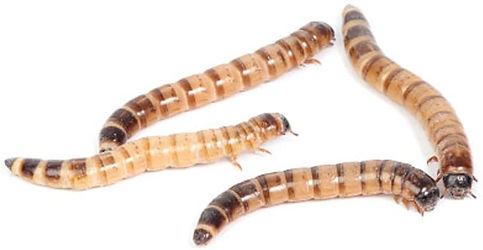
Superworms are the larvae of the Darkling Beetle. They have a similar appearance to mealworms, except they are much larger and have visible mandibles. They are a great source of calcium and fibre and they are much easier to digest than mealworms. They can be kept for a long time with others without pupating, as they only pupate when isolated.
However, superworms can bite your gecko during feeding which can cause injury, but this can be avoided by cutting their heads off before feeding. They cannot be refrigerated like mealworms as they will die. They must only be fed to adult geckos due to their big size and aggressive nature. Dusting powder doesn’t stick well to superworms as easily as other insects.
PROS
CONS
High in calcium and fibre
Do not pupate easily
Easy to digest
Easy to look after
Very aggressive and can bite your gecko
Cannot be refrigerated
Very large and hard to dust
High in fat

Also known as the Black Soldier Fly Larvae or Phoenix Worms, these worms offer a substantial calcium content with a great Ca: P ratio, making them a very nutritional option that don’t need to be dusted. They are very easy to digest and do not need to be fed. Due to their high calcium content, they can be used alongside other treatments to help manage Metabolic Bone Disease.
However, they are harder to find and can be more expensive to keep. They require a special soil substrate and therefore are harder to maintain and look after. They pupate very quickly and cannot be refrigerated, so they can’t be kept for very long.
PROS
CONS
Very high in calcium and a good Ca:P ratio
Very nutritional
Do not need to be dusted
Do not need to be fed
Easy to digest
Harder to find and can be expensive
Can be hard to care for
Can't be refrigerated
They don't last very long
Quite small
To maintain a healthy diet, we recommend feeding a wide variety of staple and treat foods to supplement your geckos needs and keep them healthy, enriched and happy.
